Understanding GOTS and Other Textile Certifications: What Eco-Conscious Shoppers Should Know
A practical guide to textile certifications that matter for organic bedding. Learn what GOTS, OEKO-TEX, and other standards mean, how they differ, and why they matter when selecting organic blankets and sheets.
Why certifications matter in organic bedding
In the luxe universe of textiles, certifications are the passport to trusted textures and transparent sourcing. When you slide into a blanket or sheet that bears a certification badge, you’re not just choosing softness—you’re choosing a traceable story about how the product was grown, spun, dyed, and finished. For eco-conscious shoppers, certifications are both a safety net and a stylistic cue, signaling low chemical exposure, responsible farming, and fair labor practices that align with a sustainable lifestyle.
This guide unpacks the most influential standards we encounter in organic bedding today. We’ll explore what each certification actually guarantees, how they relate to different fibers, and practical tips for reading labels—so you can shop with confidence without becoming overwhelmed by jargon.
GOTS: The gold standard for organic textiles
The Global Organic Textile Standard (GOTS) is widely regarded as the gold standard for organic textiles. It combines ecological and social criteria from the fiber stage through the final product. To earn GOTS certification, textiles must meet stringent requirements across several domains: organic fiber content, environmentally friendly processing, restricted use of toxic dyes and finishes, and fair labor practices throughout the supply chain.
Key benefits of GOTS include:
High bar for organic content, often requiring a majority share of certified organic fibers.
Mandatory restrictions on toxic chemicals, including banned dyes and bleaching agents.
Social criteria echoing fair wages, safe working conditions, and workers’ rights.
Transparent labeling that helps consumers trace material inputs and manufacturing steps.
For bedding, GOTS certification reassures you that even small details—like the dyes used on baby blankets or the finishing chemicals on a bedspread—align with an ethical standard. It also signals that the product’s life cycle has been considered from seed to sheet, nurturing both people and the planet.
OEKO-TEX, GRS, Fair Trade, and more: what they mean
Beyond GOTS, several other certifications help shoppers evaluate textile quality and sustainability. Here’s a quick primer on the most common badges you’ll encounter:
OEKO-TEX: Tests textiles for harmful substances at various levels (Standard 100, STeP, etc.). It focuses on product safety and environmental impact, rather than guaranteeing organic fiber content.
GRS (Global Recycled Standard): Verifies the use of recycled materials and eco-friendly manufacturing processes. Ideal for customers seeking upcycled or recycled fibers in blankets and sheets.
Fair Trade: Emphasizes fair labor conditions and community empowerment in production facilities. It’s a social sustainability badge rather than a fiber standard.
OKO-TEX (OKO-TEX Standard 100, OKO-TEX MADE IN GREEN): Similar to OEKO-TEX with varying scopes, including product safety and sustainability claims. It’s often used for textiles with organic content and tested for restricted substances.
Fair Trade Certified and Made Safe: Certifications focused on safe environmental practices and consumer safety, including chemical exposures and child labor considerations.
When you encounter multiple certifications on a single item, read the scope carefully. An organic cotton duvet cover may be GOTS certified for organic content and OEKO-TEX certified for toxin safety, offering layered assurances across the life cycle of the product.
How to read certification labels on organic bedding
Label literacy is your best friend. Here are practical steps to decode most bedding labels you’ll encounter:
Check the certifying body’s name: GOTS, OEKO-TEX, GRS, Fair Trade, etc. If a product is GOTS-certified, you’ll typically see a GOTS logo and a code or license number on the label.
Look for the fiber content alongside certifications. A blanket with “GOTS Certified Organic Cotton” indicates the textile fiber itself is organic and produced under GOTS rules.
Read the scope: Some certifications apply to the finished product; others apply to the fiber stage. GOTS covers fiber through finishing, while OEKO-TEX focuses more on chemical safety and substance limits in the final product.
Inspect the certification’s validity and renewal date. Certifications require periodic audits and renewal to remain active.
Ask the supplier or mill for documentation. Reputable brands will provide supplier declarations, certificate numbers, and access to audit reports upon request.
When shopping for nursery bedding, for example, prioritize certifications that cover both organic fiber and safer finishing methods, ensuring a hypoallergenic, non-toxic sleep environment for babies and sensitive sleepers alike.
Practical tips for evaluating certifications in bedding
To translate certification jargon into shopping confidence, keep these practical checks in mind:
Know the fiber: Organic cotton, organic wool, or other fibers each respond differently to finishing processes. GOTS ensures organic fiber claims, while OEKO-TEX Certifies safety regardless of fiber origin.
Assess the textile’s performance attributes: Breathability, moisture-wicking, hypoallergenic properties, and washability often correlate with fiber choice and textile construction (e.g., percale, sateen, jacquard weaves).
Consider lifecycle transparency: A certification is strongest when it accompanies a supplier’s transparency about farming practices, dye chemistry, and labor standards.
Balance price with verification: Higher price tags often reflect rigorous certification and ethical supply chains, but always verify the certificate details rather than assuming quality from price alone.
Three key individuals who shaped textile standards across eras
Florence Nightingale (19th century)
Icon of modern nursing and the modern hospital environment, Nightingale’s emphasis on sanitary conditions revolutionized the way we think about health in textiles. While not a standards official, her advocacy for cleanliness and safe environments laid the groundwork for later wellness certifications that prioritize non-toxic, hygienic bedding.
Her influence reminds us that the bed is not merely a surface of comfort, but a space where health starts every day.
Dr. Kurt Bernhard (early 20th century)
A chemist and textile innovator who contributed to safer dye chemistry and standard-setting for industrial textiles. His era initiated more formalized approaches to restricted substances and the push toward safer, more sustainable finishing agents—precursors to modern chemical safety certifications we rely on today.
His work helps explain why today’s certifications scrutinize dye chemistries and processing aids in bedding fabrics.
Marta Espinosa (late 20th century–present)
A pioneer in global fair labor practices within textile supply chains, Espinosa’s advocacy helped bring labor standards into mainstream certification discourse. Her work underpins the social criteria found in programs like Fair Trade and the labor assurances embedded in many multi-certification bedding lines.
Her legacy is a reminder that the story of fabric extends beyond fibers to the people who weave them.
Product spotlight: All-Natural Quilted Topper
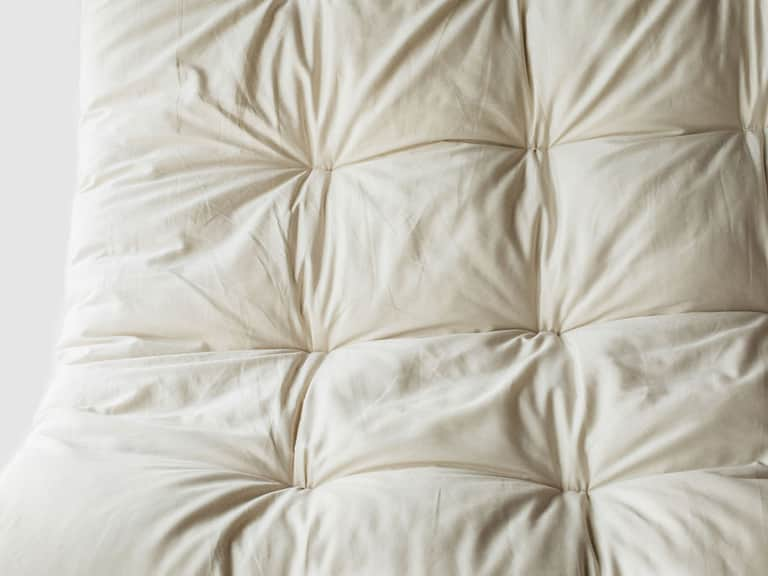
A centerpiece for a non-toxic sleep sanctuary, the All-Natural Quilted Topper blends 100% organic cotton with Premium Eco Wool. It sits atop the mattress to deliver a breathable, temperature-regulating surface that aligns with GOTS-certified fabric and natural wool sourcing.
GOTS-certified materials
Organic cotton fabric with eco wool fill
Quilted topper construction for even loft and durability
Price: $275.00
Product image gallery (displayed for reference)
Why these standards influence every layer of your bed
From fiber farm to finished blanket, a certification ecosystem helps ensure that each step respects environmental stewardship, human health, and ethical production. The bedding you choose, whether a plush throw or a practical sheet set, reflects a philosophy of care—from the field to your nightly ritual.
In the context of Direction B for OrganicBlanket, the commitment is clear: provide readers with authoritative, non-promotional information built on trusted standards, while showcasing thoughtful products that embody the same principles without compromising integrity.
A thoughtful plan for your next purchase
When evaluating textiles for bedding, use this quick framework:
Certification coverage: Look for GOTS for organic fiber and processing safety; check for complementary certifications (OEKO-TEX, GRS, Fair Trade) for broader assurances.
Fiber and finishing transparency: Confirm fiber origin, dye chemistry, and finishing agents; request mill documentation when possible.
Lifecycle and ethics: Prioritize brands with transparent supply chains and social responsibility programs.
Practical care: Ensure the product is easy to wash and maintain without compromising integrity.
With these checkpoints, you can curate a bedding collection that feels luxurious, responsibly sourced, and aligned with a modern, sustainable lifestyle.
Sleep cooler and cozier with natural wool and organic cotton—breathable, temperature-regulating, and chemical-free. Easy care adds peace of mind, keeping your bed smelling fresh and comfortable night after night.
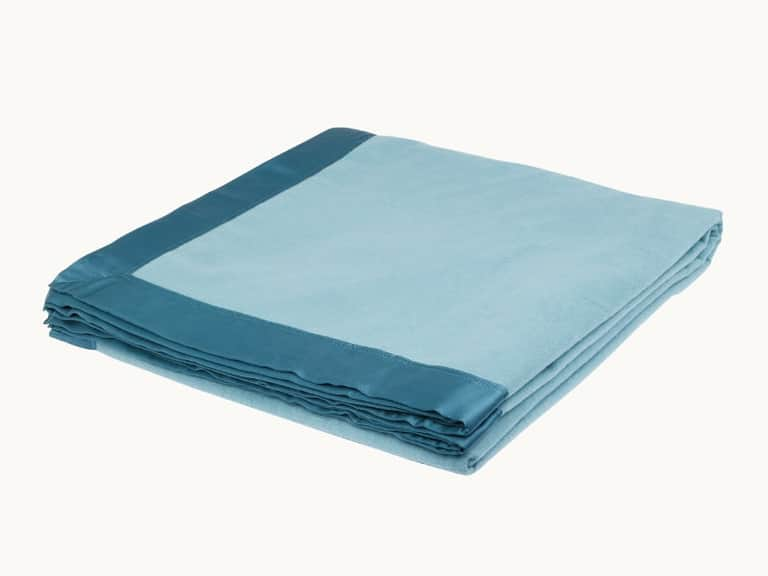
Wrap yourself in cool, silky softness with a light, breathable layer that drapes beautifully over bed or sofa, adding a refined petrol-blue accent and practical warmth for everyday comfort.
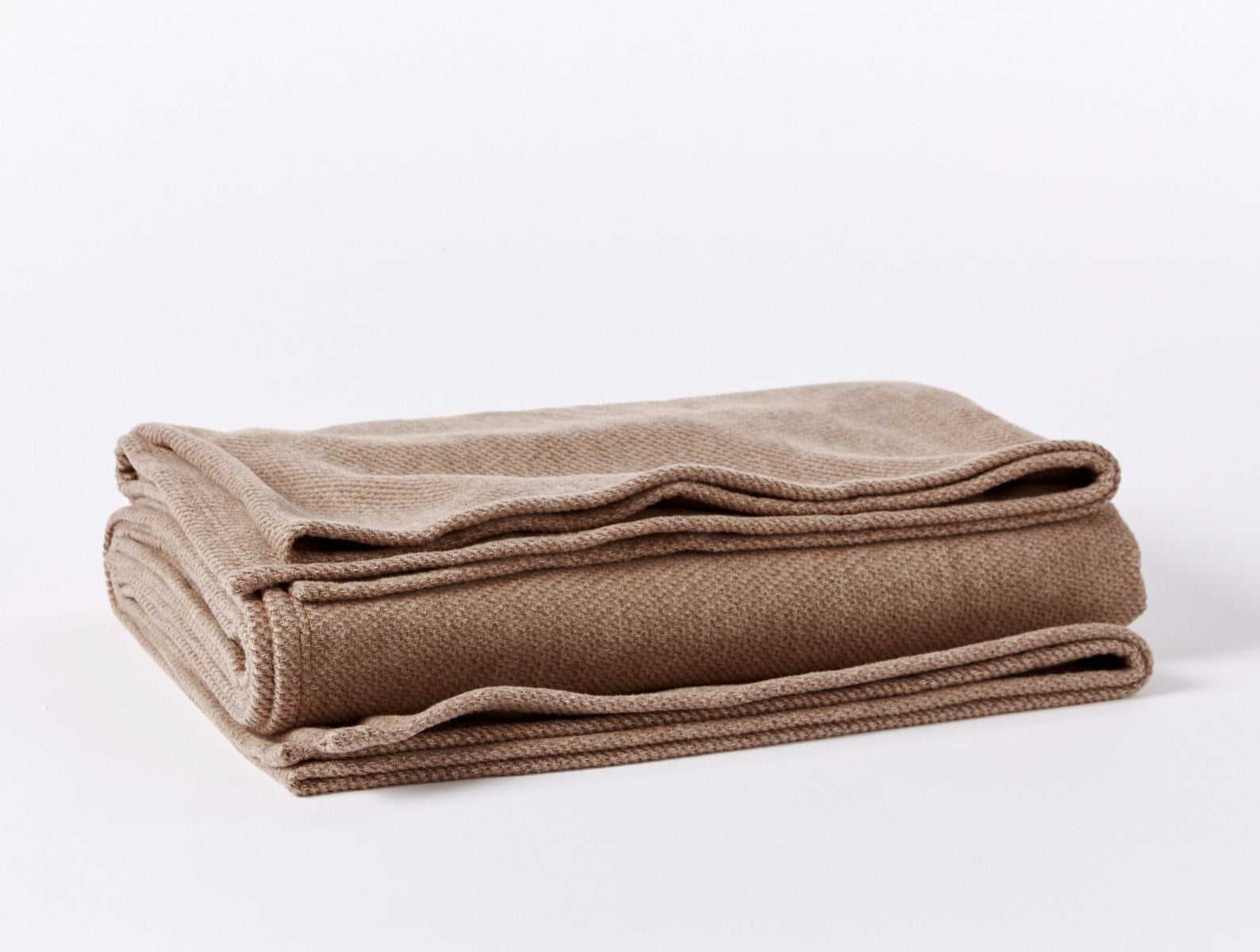
Soft, warm comfort you can wash and wear—German craftsmanship with a plush cotton feel and wool warmth, plus effortless care and durable stitching for year-round coziness.