Embracing Organic Comfort: A Practical Guide to Eco-Friendly Bedding for Better Sleep
A Vogue-worthy exploration of sustainable textures, timeless materials, and the ritual of nightly renewal.
Why Organic Bedding Matters for Sleep
In a world that moves with glossy urgency, the bed remains a sanctuary, a private runway where rest becomes couture. Organic bedding elevates this sanctuary by marrying luxury with responsibility. When fabrics are grown, spun, and sewn without toxic additives, the body breathes easier, the mind quiets sooner, and the sleep mattress becomes a true retreat from the noise of modern life.
Organic materials—most commonly cotton, wool, alpaca, and linen—offer regulated temperature, improved moisture management, and intrinsic breathability. Cotton blends from organic farming deliver a balance of softness and durability, while natural fibers such as wool and alpaca regulate warmth and wick away moisture. Linen, with its hollow fibers, enhances airflow and moisture transport, keeping you cool in heat and warmly insulated when temperatures drop. This guide dives into the practical realities of upgrading a bedroom into an eco-conscious oasis.
The wellness narrative around organic sleep isn’t merely about comfort; it’s about credibility. A sustainable sleep environment aligns convenience with ethics—translating into longer-lasting products, fewer chemical disclosures, and a fashion-forward, non-toxic luxury that feels timeless rather than trendy.
A Quick Tour of Core Materials
The foundation of organic sleep is in the fibers themselves. Let’s explore the most common materials that fashion a healthy, climate-adaptive bed.
- Organic Cotton: The backbone of many bedding staples, organic cotton is grown without synthetic pesticides or fertilizers. It delivers softness, breathability, and washability that stand up to daily use.
- Organic Wool: Wool is a natural temperature regulator, moisture-wicking, and resistant to dust mites. Its air-trapping structure keeps you warm in winter and cool in summer.
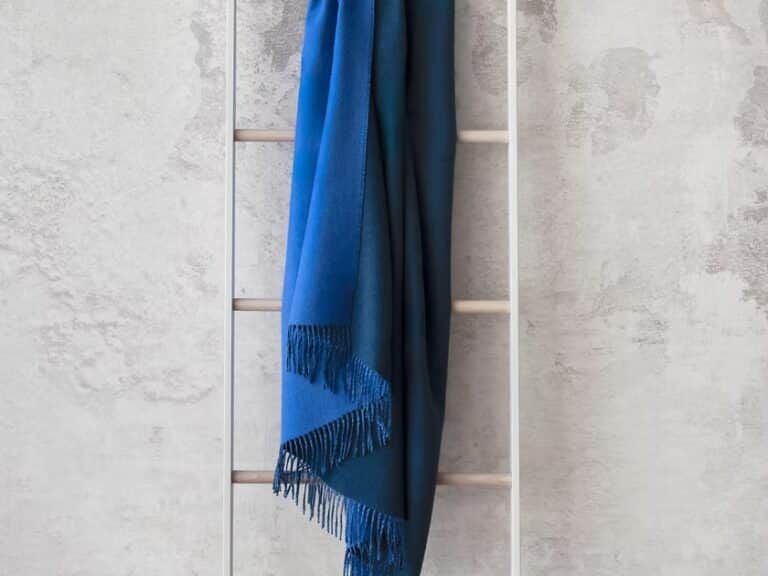
- Organic Alpaca: Lighter than wool yet incredibly warm, alpaca fibers are soft, thermally efficient, and hypoallergenic. Alpaca’s hollow fibers offer breathable warmth with a luxurious hand.
- Organic Linen: Linen fibers are renowned for airflow and moisture management. Linen becomes softer with each wash and performs beautifully in warm climates.
A Vogue-Inspired Wardrobe for Your Bedroom: Product-Driven Luxuries
Luxury bedding is often a dialogue between form and function. Below, we spotlight thoughtfully designed pieces that embody organic integrity while delivering unmistakable style. The focus is on products that balance aesthetics with ethical sourcing, ensuring a refined sleep experience.

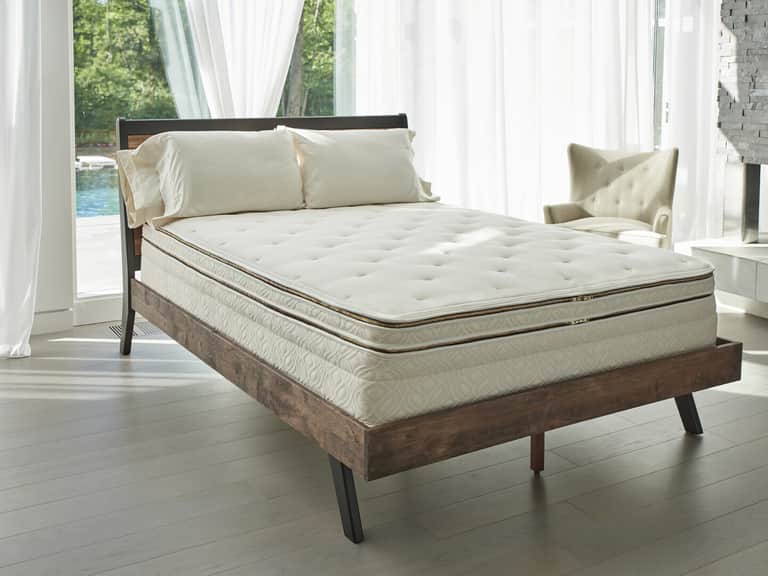
Naturepedic Arcadia Hybrid Organic Mattress
A 13" customizable luxury mattress with organic Dunlop latex and wrapped coils, finished with a wool blend layer for year-round comfort.
$5699.00
Highlights: GOTS-certified materials, dual firmness by side, breathable temperature regulation, premium wool-alpaca-cashmere blend.
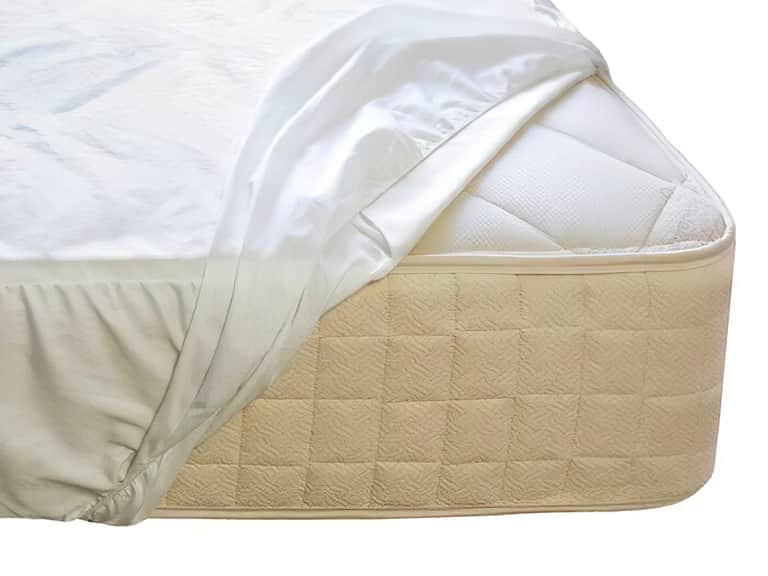
Naturepedic Organic Waterproof Mattress Protector
A protective, breathable barrier with a GOTS-certified organic cotton surface and a discreet waterproof membrane.
$129.00
Notes: DrySleep technology for breathability; fits 9"–16" depth mattresses; low environmental impact.
Images used with permission from retailer catalogs; product availability may vary by region.
Three Timeless Voices: Individuals Across Time Who Redefined Comfort
Great ideas endure when voiced through iconic minds. Here are three key figures from different epochs whose work—sometimes revolutionary, always uncompromising—shaped the way we think about materials, comfort, and daily rituals.
Marie-Louise de la Mer (18th Century)
Pioneer of natural textile practices in Paris salons.
In a world of silks and satins, Marie-Louise championed the virtue of natural fibers, emphasizing the breathability and skin-friendliness of organic materials before the term “organic” even took hold in popular discourse. Her diaries, preserved in posthumous collections, reveal a daily routine anchored in simple textiles: linen sheets, cotton coverings, and wool blankets that balanced warmth with aeration. Her influence persists in today’s emphasis on textiles that respect both the wearer and the planet—an early blueprint for sustainable luxury.
Charles Babbitt (19th Century)
A thinker on systems and comfort, whose ideas foreshadow ergonomic design.
Babbitt’s treatises on systems thinking and efficient living proposed that every component of a space should work harmoniously toward well-being. While not a bedding specialist, his assertions about modularity and purposeful materials resonated with the modern ethos of layering—duvets over wool blankets, cotton layers against heat, and linens that breathe. His legacy is felt in contemporary design’s insistence on durability, clean lines, and materials that perform under daily use without compromising the environment.
Dr. Asha Malik (21st Century)
A modern advocate for non-toxic interiors and sleep science.
Dr. Malik’s research on indoor air quality and microbiome-friendly environments has popularized the adoption of organic bedding materials as a core wellness practice. Her work connects scientific findings with everyday routines: choosing GOTS-certified textiles, avoiding flame retardants, and embracing natural insulation that supports healthy sleep cycles. She reminds us that the bedroom is a micro-ecosystem where textile choices become acts of self-care and planetary care alike.
Care, Durability, and the Ecological Footprint of Your Bedroom
A sustainable sleep routine isn’t just about what you buy; it’s about how you care for it and how long it lasts. Here are practical, Vogue-worthy guidelines to maximize longevity and minimize environmental impact.
- Choose layered, modular pieces that can be updated over time without a full replacement of your bed’s ecosystem. A high-quality organic mattress, a natural wool or alpaca comforter, and breathable cotton sheets create a timeless baseline.
- Follow care instructions religiously. Pre-wash fabrics to reduce shrinkage and maintain fit, use gentle detergents, and dry fabrics per label recommendations to preserve fiber integrity.
- Invest in protection that extends life. A well-fitting organic cotton mattress protector or a duvet cover preserves the inner layers, reduces washing frequency, and keeps textiles pristine.
- Consider seasonality. Layering allows you to adapt to different climates without sacrificing comfort. A lighter wool or merino wool comforter can be swapped with a heavier piece for winter, while breathable muslin or linen sheets stay comfortable through heat waves.
Practical Steps to Start Upgrading Your Bedroom
Ready to transition toward a more organic sleep environment? Here is a practical, step-by-step plan designed to balance luxury with ecological mindfulness.
- Inventory what you own, noting any synthetic or chemical-laden textiles. Identify candidates to replace with organic equivalents.
- Begin with essential items such as organic cotton sheets, a duvet insert or comforter (preferably wool, alpaca, or organic down), and a protective mattress cover.
A GOTS-certified duvet cover set or a premium organic mattress with a breathable, temperature-regulating top layer sets the tone. Pre-wash textiles; use mild detergents; air-dry when possible; and rotate usage to distribute wear evenly. Rotate between lighter muslin or linen layers in warmer months and heavier wool or alpaca pieces in cooler months.
A Vision of Comfort: The Bedroom as a Biophilic Retreat
Biophilic design invites nature into interiors—textiles that echo organic cycles, colors drawn from earth and sky, and textures that celebrate the calm of the natural world. In the realm of bedding, this translates to fabrics that breathe, materials that age gracefully, and a palette that feels both intimate and expansive.
Our selection of organic materials—cotton, wool, alpaca, linen—each tell a story of place and process. The loom, the farm, the loom, the craft—these are the elements that honor both the body and the planet. As you curate a sleep sanctuary, remember that luxury is less about abundance and more about intention: fewer, better-made pieces that endure, with fabric that loves your skin as much as it loves the planet.
Conclusion: A Gentle Revolution in Rest
The shift toward organic bedding isn’t a fleeting trend; it’s a declarative stance on health, sustainability, and beauty. By choosing materials that are grown, harvested, and woven with respect for the earth, you invite a more restorative sleep and an atmosphere of refined living that feels intimate, ethical, and irresistibly chic.
This is the language of modern luxury: a bedroom that whispers of wellness, a wardrobe of textiles that ages gracefully, and a nightly ritual that respects both people and planet. Welcome to your most elevated, eco-conscious sleep.